
Blog / Technology
Google Gemini models: how to use them in industrial automation
How Google's Gemini models make it possible to build custom AI agents that improve efficiency and scalability in industrial automation.
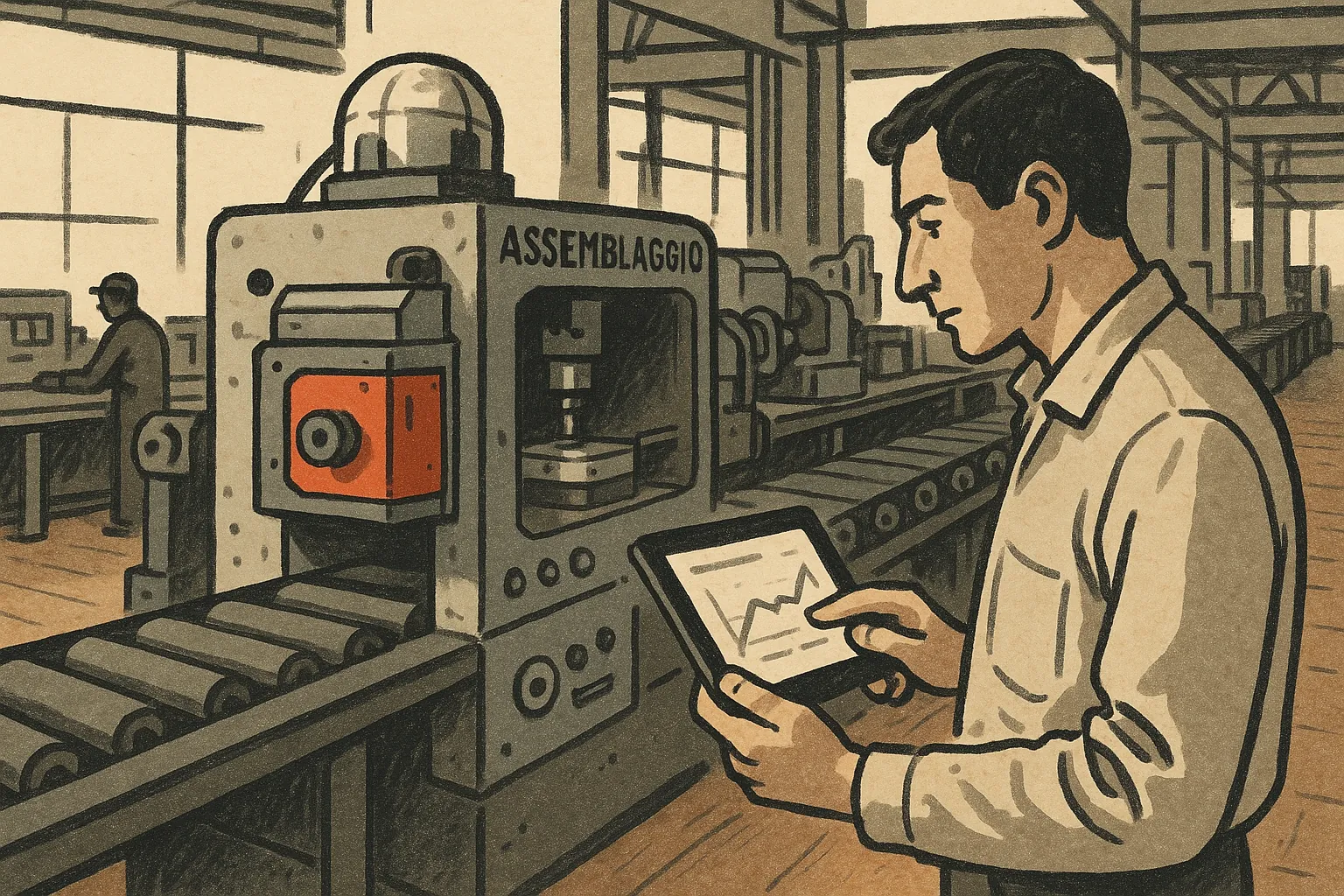
Google's Gemini models make it possible to build AI agents with human oversight that automate complex industrial processes, improving efficiency and traceability without losing control of data and costs.
In industry, automating means reducing errors and machine stoppages. But using AI without measuring costs and results is the quickest way to lose trust in the system.
Why Gemini models matter on the factory floor
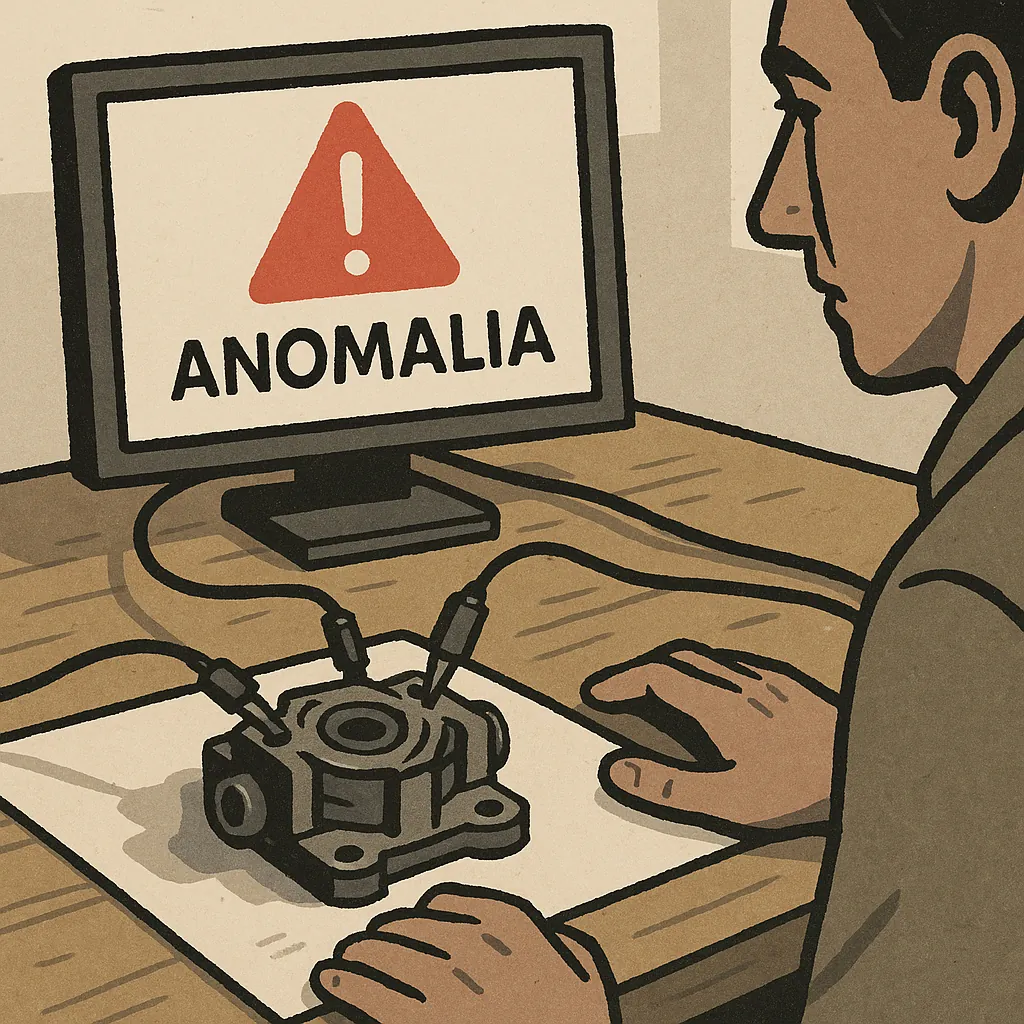
Google's new Gemini models are designed to handle complex tasks in real time, such as monitoring production lines or managing alarms. On an assembly line, an AI agent built on Gemini can recognise anomalies in sensor data and alert the operator at once, instead of waiting for the problem to turn into a machine stoppage. AI does not replace the person who decides, it cuts repetitive work and brings the real problems to the surface sooner.
Real data, not promises: what is really needed
An AI agent that automates an industrial process has to be measured: inputs, outputs, times, errors and costs. Gemini models make it possible to build systems that log every step, so you can see where time is gained and where errors pile up instead. In an SME that makes mechanical components, knowing how many hours are really saved on each batch matters more than the technology used.
How Gemini fits into existing processes
Integrating Gemini never starts from the technology, it starts from the process that is losing hours. You begin with an audit: you measure where bottlenecks build up, then build an AI agent for that single step. Only after seeing the result in the field is it extended to other departments. An example: in an automation company, Gemini can power an agent that handles maintenance requests, routing urgent cases to technicians and compiling the reports automatically.
Human oversight: the rule that is not up for negotiation
Even with the most advanced models, the final decision stays with the operator. AI agents with human oversight do not take control of the line: they flag, suggest and automate only the repetitive parts. If a figure is not available, zero is shown and the reason is given. That is why an AI agent gets accepted on the factory floor: it does not invent numbers and does not take shortcuts.
What they are: Google's Gemini models
They are artificial intelligence models developed by Google to handle complex tasks and interact with physical or digital systems, improving efficiency and quality in automated processes.
Frequently asked questions
What changes when using Gemini compared with other AI models?
Gemini is designed to handle more complex processes in real time and allows better integration with existing industrial systems.
Can AI agents replace technicians?
No. AI agents with human oversight automate only the repetitive work and support technicians, they do not replace them.
How do you measure the benefit of an AI agent?
You log the inputs, outputs, times and costs of every run. That is the only way to see where the real gain is.
Can I integrate Gemini into my systems without changing everything?
Yes. You start from one process, measure the result and only then consider extending. There is no need to overhaul the whole factory.
Drafts are produced by the Brainvision OS editorial pipeline and reviewed by a person before publication.
Keep reading
All articles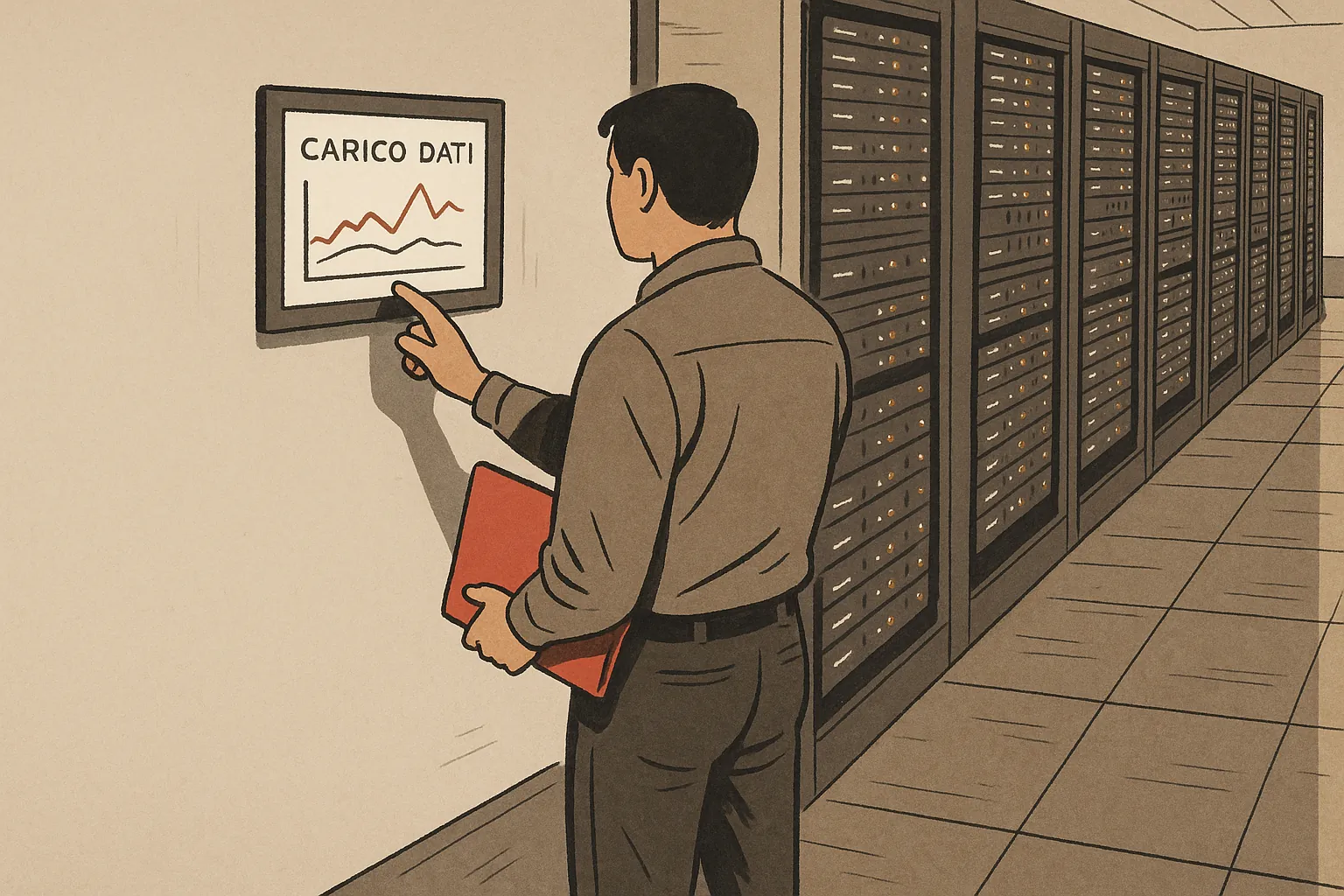
31 August 2026
AI data orchestration: real efficiency in data centres
How AI agents with human oversight optimise flows and costs in data centres. Concrete examples, risks and what to measure.

8 August 2026
Gemini 3.6 Flash: cutting the token costs of AI agents
How Gemini 3.6 Flash reduces the cost and latency of AI agents in a company. Concrete examples for manufacturing and service SMEs.

6 August 2026
Full-stack AI: integrating AI agents without complications
How a full-stack AI approach simplifies the integration of AI agents with human oversight, cutting costs and lead times for SMEs in Northern Italy.