
Blog / Technology
Full-stack AI: integrating AI agents without complications
How a full-stack AI approach simplifies the integration of AI agents with human oversight, cutting costs and lead times for SMEs in Northern Italy.

A full-stack AI approach brings every technology layer together in a single cohesive system, simplifying the rollout of AI agents with human oversight and cutting development costs and lead times for SMEs.
Integrating AI components from different suppliers often means chasing technical problems, rising costs and slipping timelines. A system whose parts do not speak the same language ends up blocking everything.

The problem: systems that do not talk to each other
Many companies in the Verbano-Cusio-Ossola area (VCO) and in districts such as the Cusio tap-manufacturing cluster find themselves with management systems, CRMs and production software that do not communicate. Every new AI layer added by a different supplier creates more points of friction: integration takes time, data can get lost and keeping costs under control becomes impossible. One example: a quote goes from a management system to an email, then is reworked by hand to be entered into another system. Every manual step is an hour lost and a chance for error.

The full-stack approach: one system, fewer problems
A full-stack AI system integrates every layer: from the interface to the cloud infrastructure, through to AI agents with human oversight. Instead of piecing different parts together, you build a single platform on which every agent works and logs data, costs and outcomes. You always know what each task costs and where it gets stuck. A concrete example: an AI agent takes a quote request from the website, validates it, enters it directly into the management system and reports the outcome. No manual steps, no lost data.
What changes for SMEs: efficiency and control
For an SME, adopting a full-stack approach means no longer chasing suppliers and solutions that do not talk to each other. The whole process, from receiving the request to the reminder and through to closing, is tracked, measured and automated. Hours of repetitive work are saved and errors are avoided. A typical case: a window and door manufacturer that automates order handling and reminders wins back hours and can look after more customers without adding staff.
Why human oversight is needed
AI agents with human oversight do not take decisions in people's place, they handle the repetitive work and leave control where it is needed. This avoids critical errors and respects the company's responsibility. Every task carried out is logged: if something does not add up, you see at once where to step in. That is why a tracked, transparent full-stack system is the only sensible choice for those who cannot afford mistakes.
What it is: full-stack AI
A full-stack AI system integrates every technology layer (interfaces, logic, infrastructure and AI agents with human oversight) in a single cohesive platform, reducing complexity and running costs.
Frequently asked questions
What is the advantage of a full-stack AI approach for an SME?
It cuts integration time and cost, removes manual steps and lets you monitor every process transparently.
How is an AI agent integrated with existing systems?
With a full-stack system, the AI agent connects directly to the company's existing software without manual steps or stopgap solutions.
Is human oversight always needed with AI agents?
Yes, human oversight ensures that critical decisions stay under control and that every activity is tracked and verifiable.
How long does it take to see the first results?
You start from a single process, measured before and after. If it pays off, you extend it. The first effects show within a few weeks.
Drafts are produced by the Brainvision OS editorial pipeline and reviewed by a person before publication.
Keep reading
All articles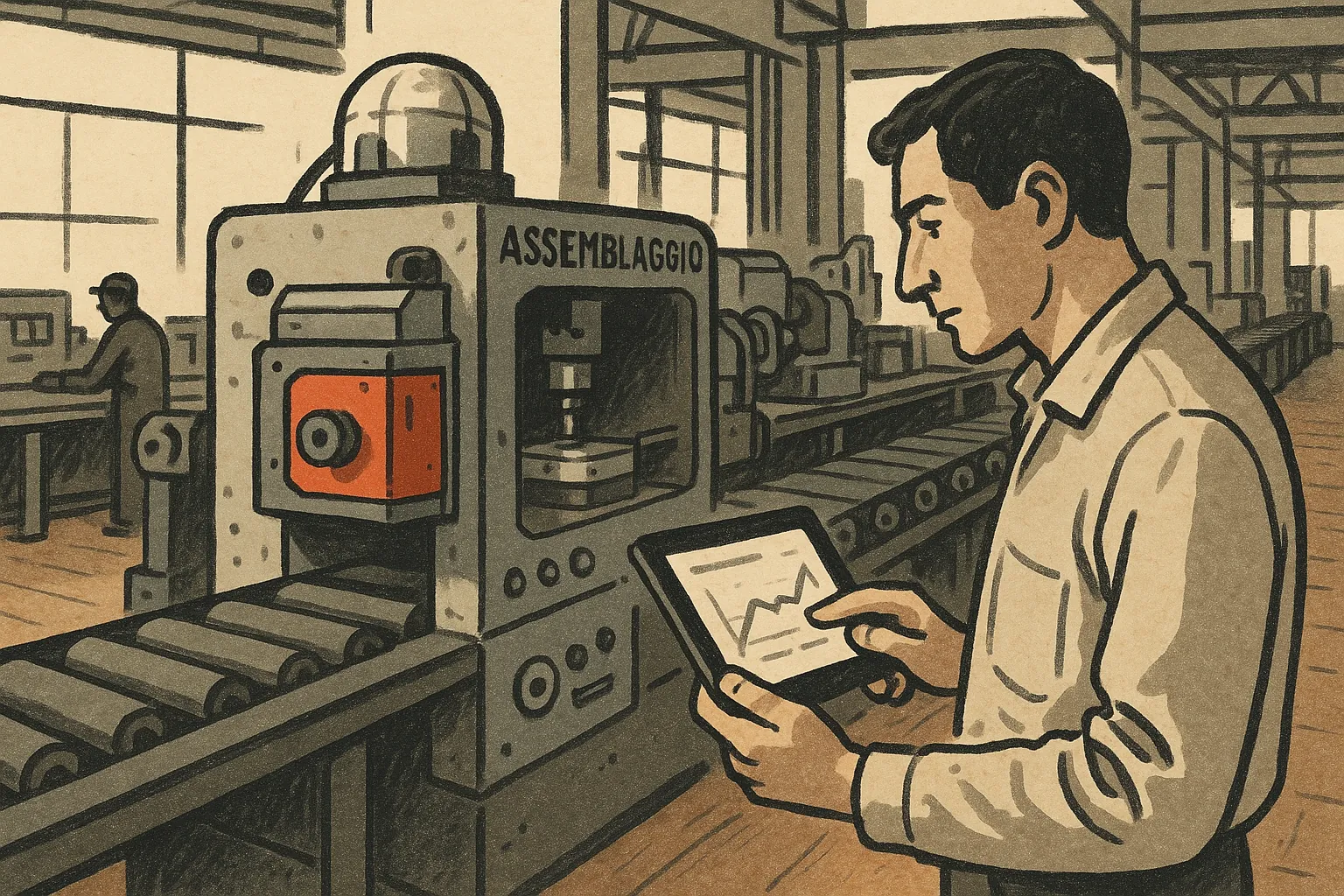
1 September 2026
Google Gemini models: how to use them in industrial automation
How Google's Gemini models make it possible to build custom AI agents that improve efficiency and scalability in industrial automation.
31 August 2026
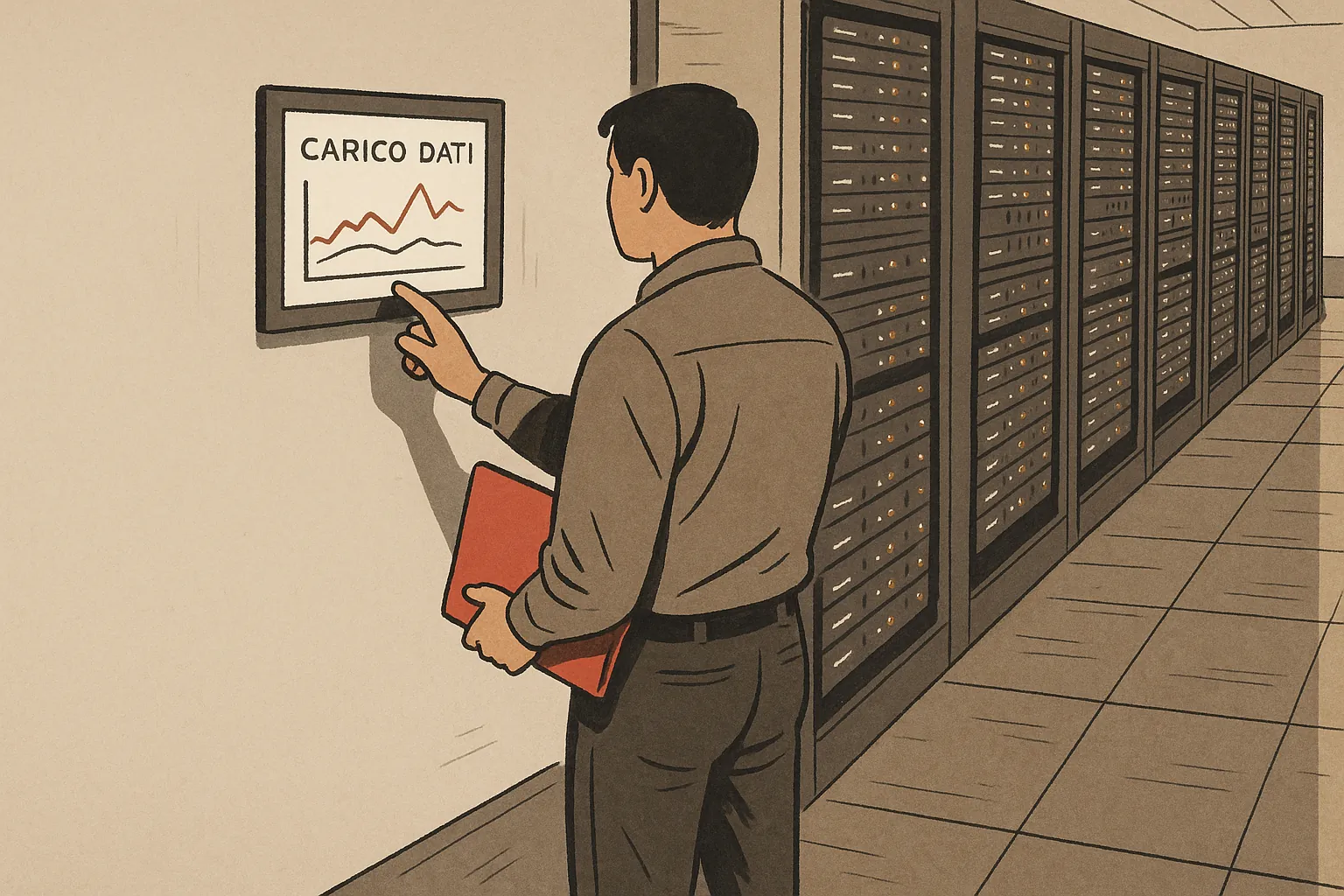
AI data orchestration: real efficiency in data centres
How AI agents with human oversight optimise flows and costs in data centres. Concrete examples, risks and what to measure.

8 August 2026
Gemini 3.6 Flash: cutting the token costs of AI agents
How Gemini 3.6 Flash reduces the cost and latency of AI agents in a company. Concrete examples for manufacturing and service SMEs.