
Blog / Process and method
AI in business: how to design tools people actually use
Find out how to bring AI into your company's real processes and avoid tools nobody uses. A practical guide for SMEs and professional firms.
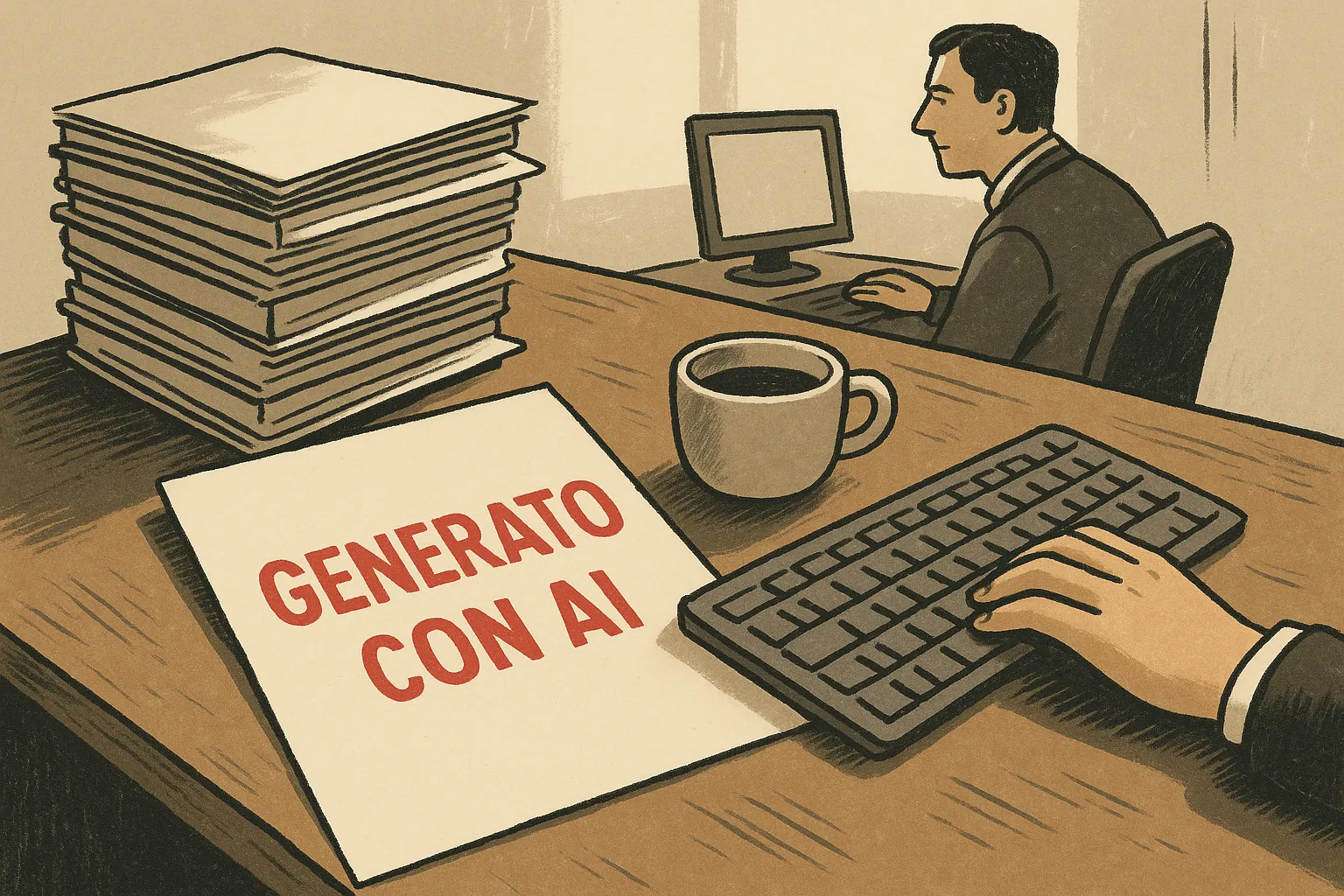
For AI to be useful in a company, it has to be designed around real work, not around demos. You start from a concrete problem, measure the process and bring in the AI agent where it is really needed.
Many companies install AI tools that impress during the demo but go unused in practice. The problem is not the technology, it is the distance from real processes.
The risk of AI tools that are barely used
In professional firms, it often happens that a new AI tool is adopted to handle documents or client requests. During the presentation, the solution seems to solve everything. A few weeks later, though, staff go back to their old habits: the AI is left as an icon on the desktop. The reason is simple: the tool was not designed around real activities, but around what the technology can do.
Start from the process, not the technology
A concrete example: a law firm that receives dozens of requests by email every day. Automating email classification only makes sense if the process is already clear and repetitive. First you measure how much time is being lost, then you build an AI agent with human oversight that slots into the existing flow, without changing the habits of the people doing the work.
How to integrate AI into workflows
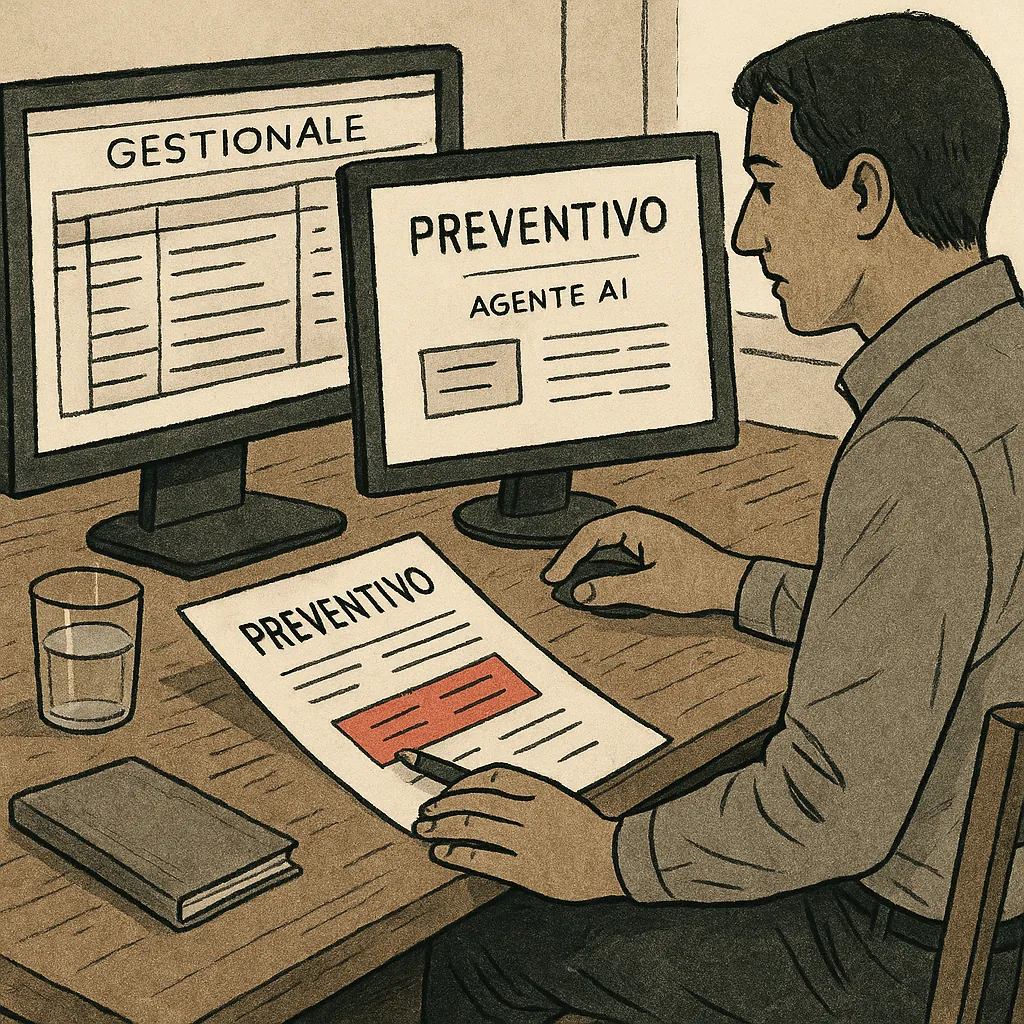
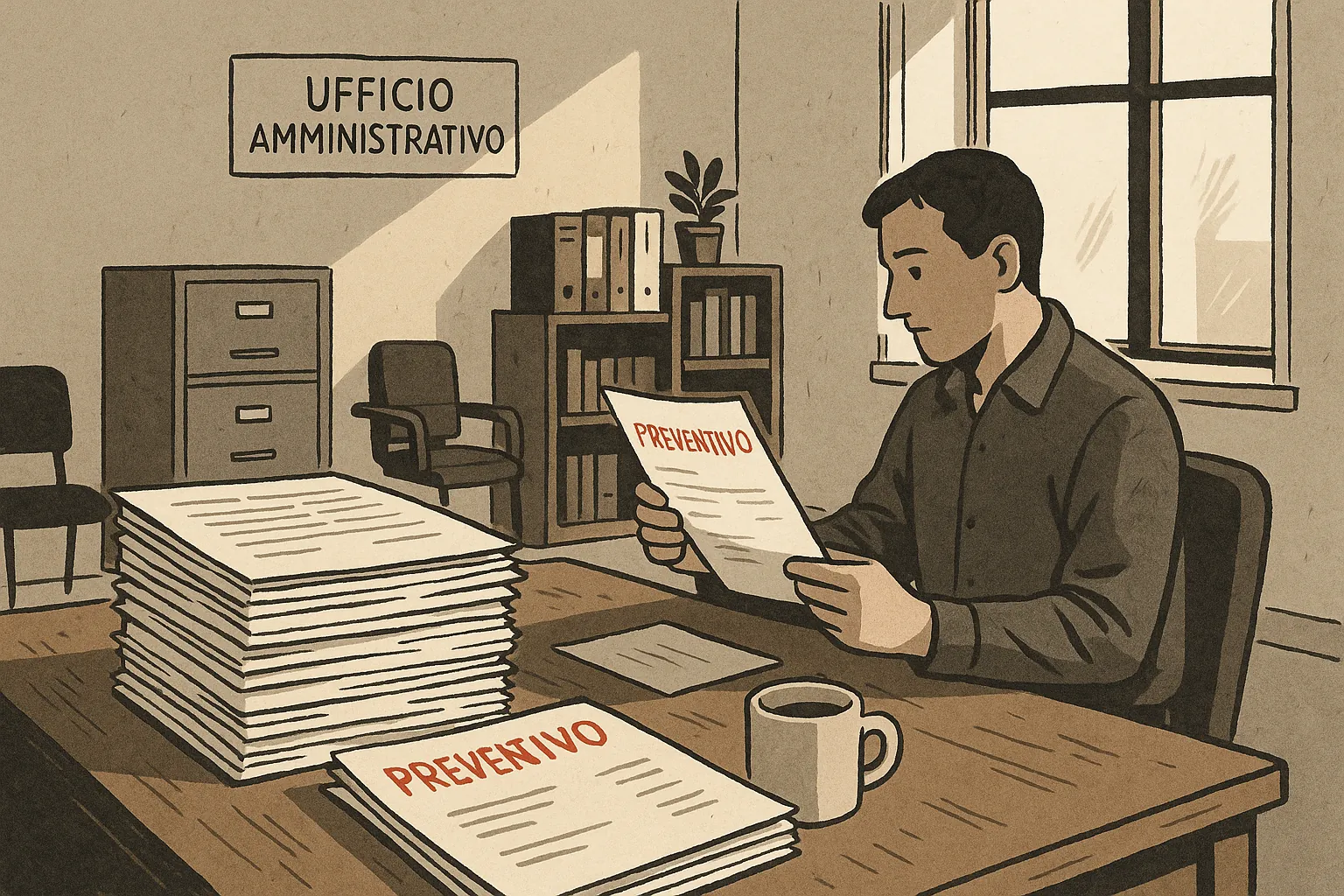
Effective integration starts from observation: which repetitive tasks take up the most hours? In sales support, for example, producing quotes often requires data from several sources. An AI agent can automate the collection and the first draft, but only if it connects to the systems already in use (management software, CRM, email). The rule: no parallel processes, no double work.
Measure first, extend later
Brainvision always starts with an audit: the process is measured, hours and costs are calculated, then a single agent is built. Only after checking that the agent works in the field do we move on to other processes. This avoids investing in tools that bring no value. If the agent does not deliver, you see it at once and adjust course.
What it is: AI agents with human oversight
Systems that automate repetitive tasks but always include a check by a person. This ensures reliability and reduces errors in business processes.
Frequently asked questions
Why do so many AI tools go unused in companies?
Because they are not designed around real processes: people go back to their old habits if the tool does not fit into their daily work.
How do you identify a process suited to AI?
You start from repetitive tasks that take up many hours and have clear rules. First you measure the time spent, then you assess the automation.
Do the systems already in use need to change to integrate AI?
No. An effective AI agent slots into existing systems: management software, CRM, email. No double work, no parallel processes.
How long does it take to see whether an AI agent works?
A few weeks are enough: you measure before and after. If the result is not there, you correct it or stop without waste.
Drafts are produced by the Brainvision OS editorial pipeline and reviewed by a person before publication.
Keep reading
All articles
26 August 2026
Business chatbots: how to really integrate them into your processes
How to integrate business chatbots into real processes: customisation, connectors, skills and the limits you should know. A practical guide for SMEs and service firms.
17 August 2026
Metadata and taxonomies: how to organise company content
How metadata and taxonomies make company content navigable and useful, with practical examples for service and industrial SMEs.
7 August 2026
Redesigning processes to bring AI agents into the company
To get a return from agentic AI, processes have to be rethought: here is how to integrate AI agents with human oversight in SMEs.