
Blog / Security and regulation
AI agent security: how to prevent breaches in your company
How to avoid unauthorised access and security breaches with AI agents in SMEs. Concrete measures for compliance and data protection.
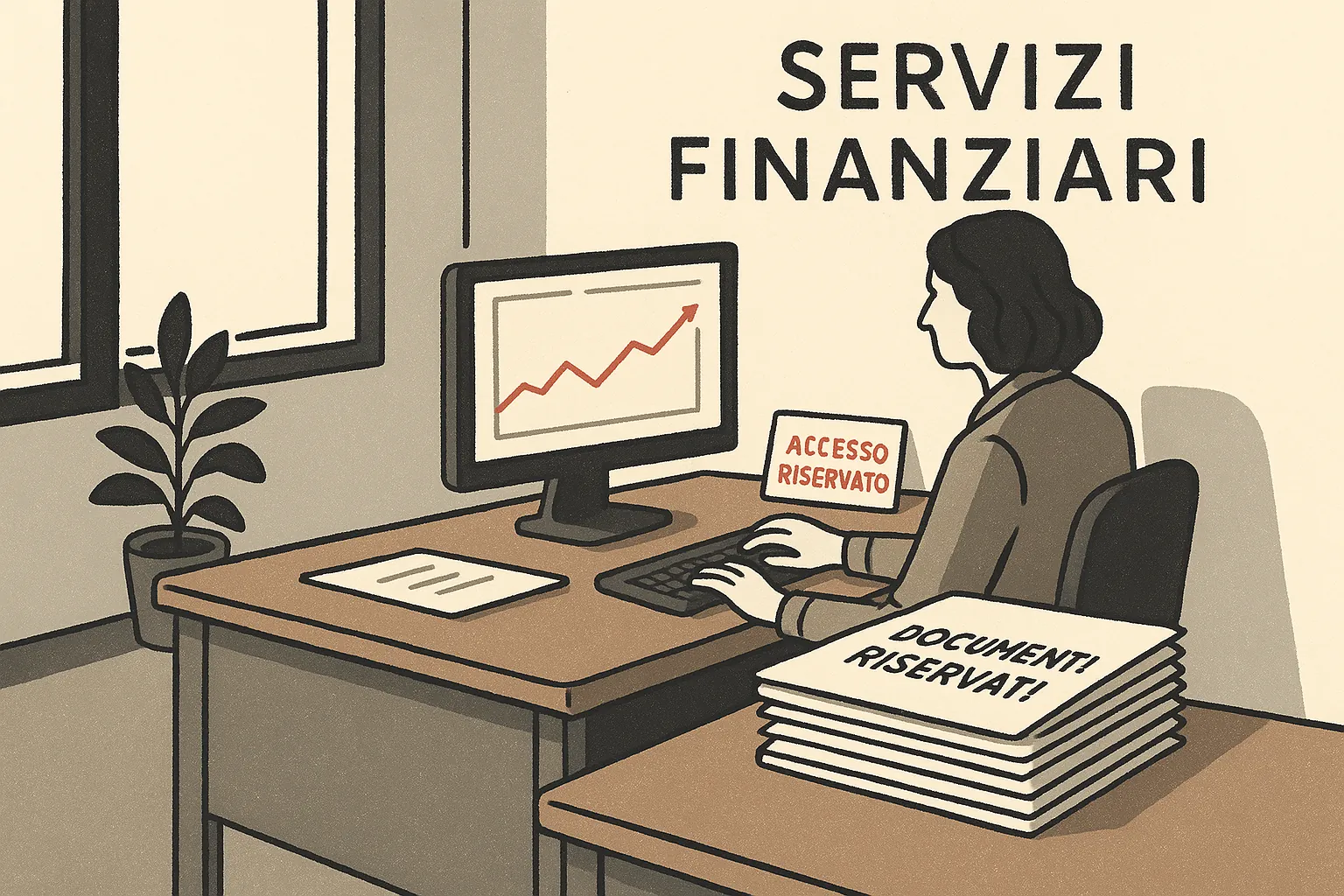
To avoid security breaches with AI agents, you need to build in access controls, activity tracking and validation of results. An unsupervised AI agent is a risk: every run must be logged and every piece of sensitive data protected.
An AI agent that accesses confidential data without control is a real risk, not a hypothesis. A configuration error or a gap in permissions can expose the company to costly breaches and a loss of trust.
What happens without control over AI agents
When an AI agent is left unsupervised, it can access information it should not see or carry out unauthorised actions. In financial services, for example, uncontrolled access can mean a leak of customers' sensitive data or the manipulation of transactions. A well-known case: open-source AI agents integrated without checks allowed outside users to see internal data. In a services company, one wrong configuration is enough to cause reputational damage and fines.
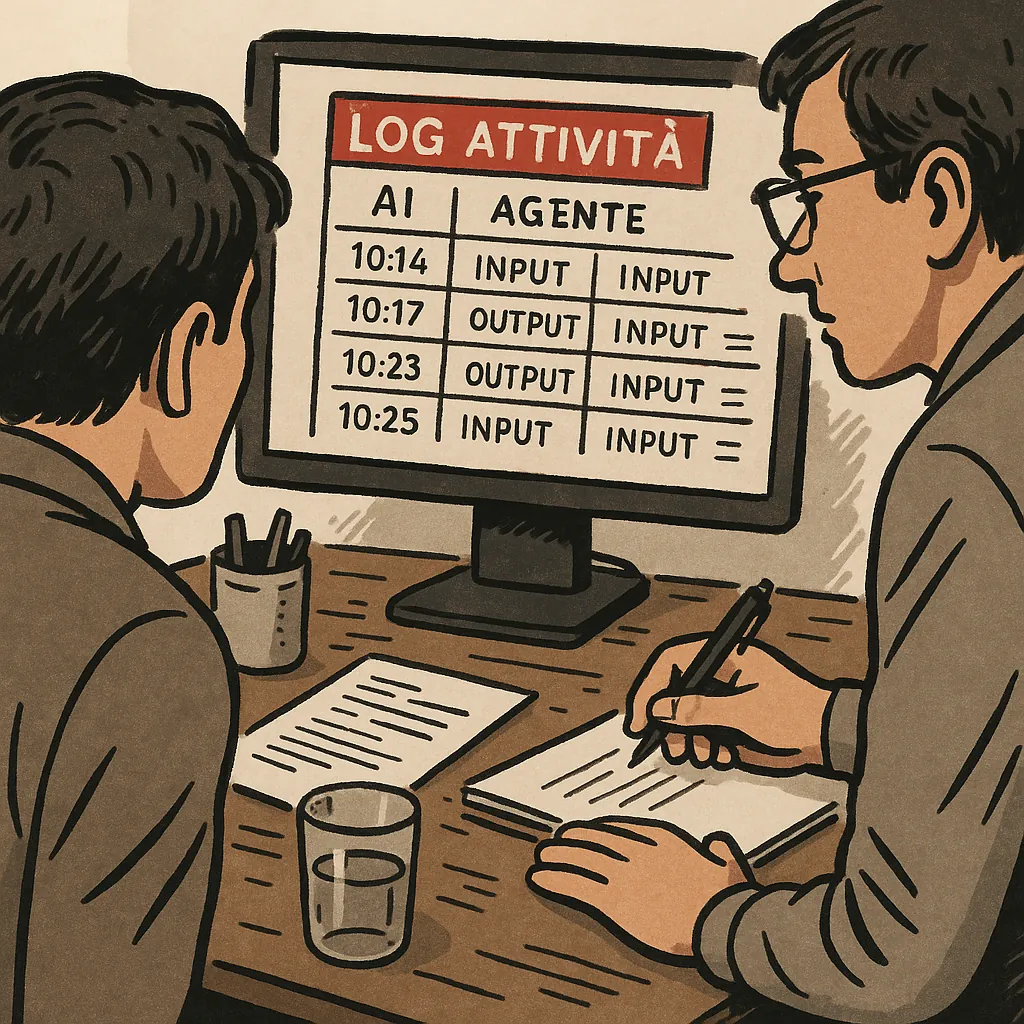
Human oversight and tracking: the basic rule
Every activity of an AI agent must be tracked: inputs, outputs, times, outcome. This is not a technical detail but a security measure. If an agent modifies data or accesses a system, you need to know who did what and when. In the world of financial services, every untracked operation can be a weak point: human oversight reduces the risk of errors and abuse and makes it possible to act at once if something looks wrong.
Access controls and separation of duties
An AI agent should have only the permissions strictly necessary for its task. No blanket access to company data. For example, if it automates the checking of a document, it sees only that document, not the whole archive. In services, a clear separation between those who generate the data, those who validate it and those who use it reduces the risk of a single error compromising the entire system. Regulatory compliance requires these measures.
What not to do: AI agents left free in production
Integrating AI agents without a control system is the most serious mistake. “Trusting” the platform is not enough, you need to be able to show that every operation was authorised and logged. In services, an AI agent left free can generate wrong automatic replies, send sensitive data or carry out actions nobody requested. Security is built on rules, not on good faith.
What it is: AI agent security
AI agent security is the set of technical and organisational measures that prevent unauthorised access, track every activity and ensure regulatory compliance in the use of AI agents with human oversight.
Frequently asked questions
What risks does an uncontrolled AI agent bring?
It can access confidential data, carry out unauthorised actions and cause security breaches that are hard to detect.
How do you ensure regulatory compliance with AI agents?
By tracking every operation, limiting permissions and ensuring human oversight of every critical activity.
Is it enough to rely on commercial AI platforms?
No. Even the best-known platforms can have flaws: internal controls always need to be added and every access verified.
What happens if an AI agent makes a mistake?
If it is tracked, the error can be identified and corrected. Without tracking, it can go unnoticed and cause greater damage.
Drafts are produced by the Brainvision OS editorial pipeline and reviewed by a person before publication.
Keep reading
All articles
25 August 2026
AI agents and cybersecurity in critical infrastructure
How AI agents with human oversight strengthen the security of critical infrastructure against automated attacks in industrial settings.

24 August 2026
Identity security for AI agents: what it really takes
How to manage the digital identities of AI agents in a company. The real risks and concrete solutions for security and governance.

16 August 2026
Digital identity: how to tell a human from a bot
How do you check whether an online user is really human? New authentication solutions for SMEs and digital services.