
Blog / Strategy
Predictive AI: how to make better decisions in your company
Only 6% of companies get real impact from AI. How to use predictive AI for better decisions and concrete results in SMEs across Northern Italy.
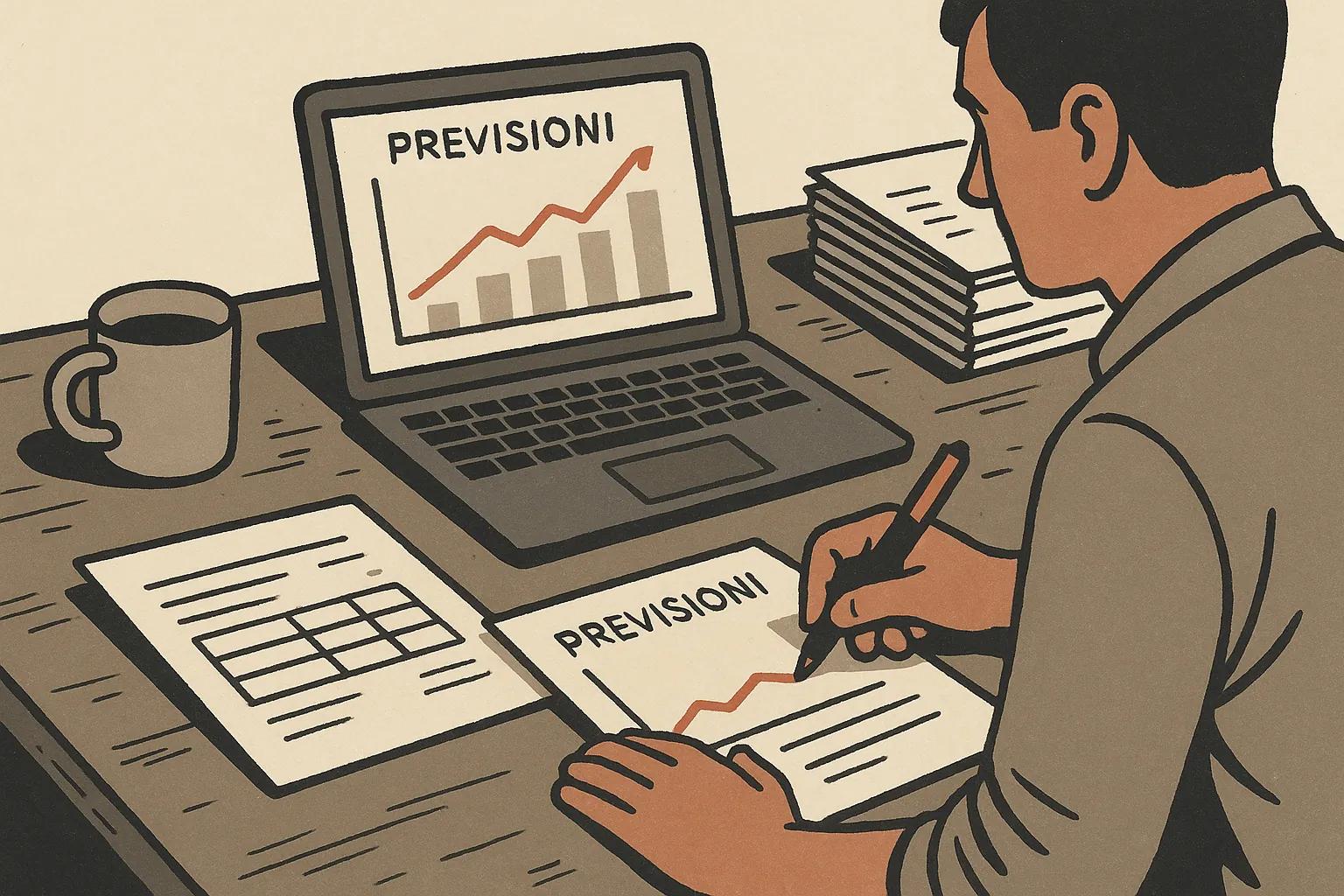
Predictive AI makes it possible to estimate future events and improve business decisions. Automating the creation and management of the models with AI agents makes these tools accessible and useful for SMEs too, cutting errors and response times.
Answering an urgent request without reliable data means putting margins and orders at risk. Many SMEs invest in AI, but only a small share gets measurable results.
Why predictive AI really matters for SMEs
In manufacturing, getting a demand forecast or a machine failure wrong means stopping production or piling up useless stock. Predictive AI, used well, helps to estimate sales volumes, plan maintenance and optimise purchasing. The problem: most SMEs have neither the time nor the resources to build tailored models, and often rely on generic solutions that do not solve the real problem. Working on your own data and processes is the difference between an Excel sheet and a real advantage.
Where traditional AI adoption fails
Many companies buy AI software, but only 6% see a concrete impact on EBIT. What is often missing is the ability to truly integrate the models into daily processes: the forecast stays on paper and does not drive decisions. An example: a mechanical components company invests in a predictive system, but the production managers go on planning “by eye” because the model is hard to use or is not updated with real data. Without automation and human oversight, AI remains a cost item, not an operational ally.
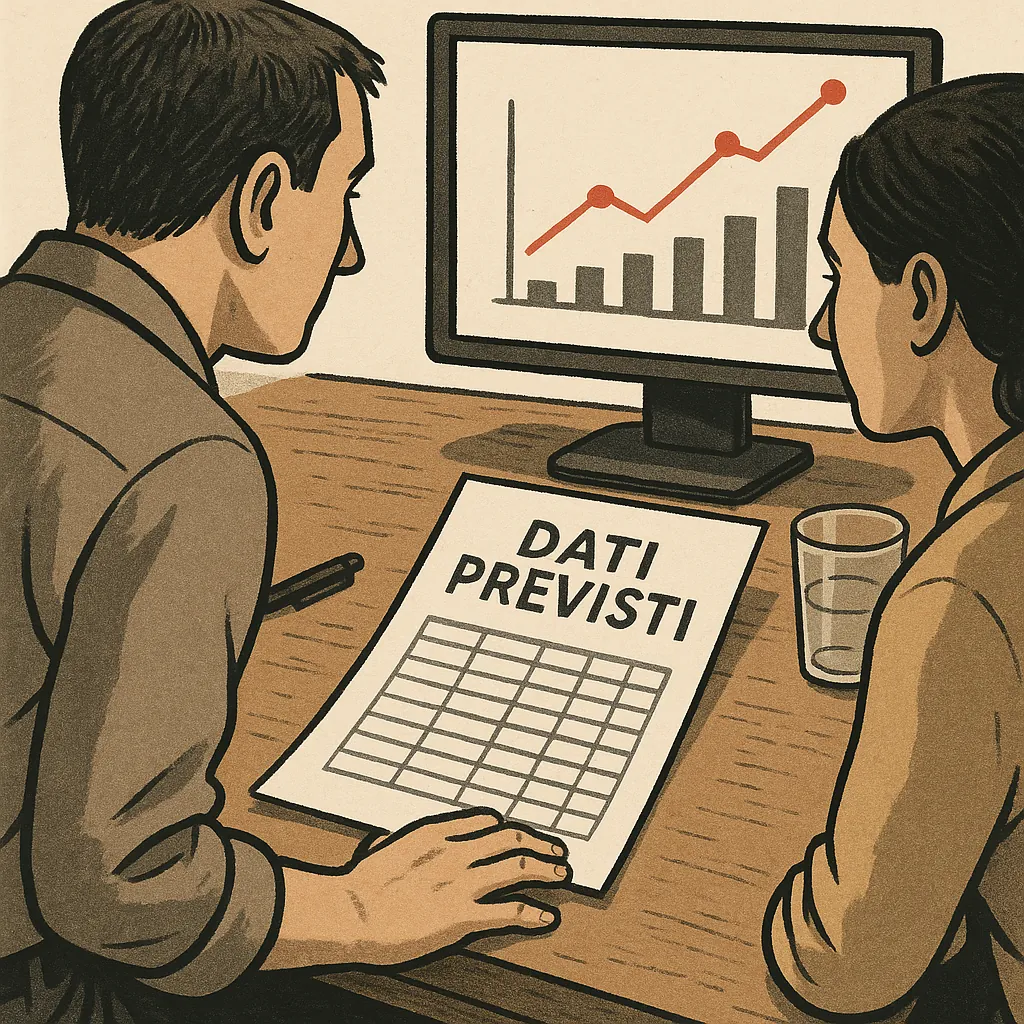
AI agents with human oversight: how decision-making changes
AI agents with human oversight automate the collection and analysis of data, build up-to-date predictive models and give managers concrete suggestions. They do not replace the decision: they back it with verifiable numbers. In a manufacturing SME in Northern Italy, this means receiving an updated estimate of critical stock every morning, with an explanation of the data used. If the system forecasts a rise in demand, the manager can look at the detail and decide whether to act. The benefit: fewer errors, faster answers, costs under control.
What it takes to go from data to action
Collecting data is not enough: every forecast has to be tied to a real business process. An effective AI agent integrates with the systems already in use (ERP, spreadsheets, email), measures the outcome of every suggestion and shows what worked and what did not. Management can then see at once whether a forecast led to savings or to errors. A concrete example: after three months of use, warehouse costs and machine downtime are compared before and after the agent was introduced. If the numbers do not improve, action can be taken straight away.
What it is: predictive AI
Predictive AI is the use of algorithms and historical data to estimate future events and support business decisions. It only works if it is integrated into processes and monitored with real data.
Frequently asked questions
Which companies can use predictive AI?
Any SME that manages volumes, stock or repetitive processes can benefit from predictive AI, provided it is integrated into real processes.
Does predictive AI replace the manager?
No, it provides data and suggestions, but the decision always remains human, especially in SMEs.
How long does it take to see concrete results?
Once an AI agent has been integrated, results can be compared after just a few weeks, measuring costs, times and margins.
Do you need large amounts of data?
No, useful forecasts can be obtained even with limited data, if the processes are well defined and the data is reliable.
Drafts are produced by the Brainvision OS editorial pipeline and reviewed by a person before publication.
Keep reading
All articles
15 August 2026
AI Gigafactories: real opportunities for Italian SMEs
Europe's AI Gigafactories give SMEs advanced infrastructure to develop AI agents that comply with EU rules. Here is how to actually make use of them.

9 August 2026
AI strategy: start from value, not from technology
Many companies invest in AI without clear use cases. Here is how a value-driven strategy avoids waste and delivers concrete results.
28 July 2026
The cost of waiting never shows in the accounts
Postponing an automation project feels free, because it generates no invoice. The bill is still paid every week, in hours already on the payroll.